Swimming Pool and Fountain Lighting Installation Orange County
Pools and fountains in Orange County work hard. They host cannonballs in July, quiet laps at dawn, and the soft hush of a spillway during warm Santa Ana nights. The right lighting makes those scenes much safer and far more gorgeous, but it likewise presents threat if the electrical work is not done to the letter. Setting up undersea and wet‑area lights is an expert's job. It blends style, code knowledge, and construction sequencing with a sensible sense of how people in fact utilize water features in your home, in multifamily courtyards, and at business properties.
I have spent years as an Orange County electrician strolling task websites from San Clemente to Yorba Linda, crawling through devices pads in Anaheim industrial parks, and solving finicky light failures in Newport Beach salt air. When swimming pool and water fountain lighting is prepared well, you ignore it. It simply works. When it is rushed, the issues get here in waves, from nuisance trips to outright risks. This guide sets out how pros in our region approach it, what choices matter, and how to wind up with a finished system that ages gracefully.
What makes water lighting different
Electricity and water can coexist safely when the installation follows the National Electrical Code, regional modifications, and producer guidelines without shortcuts. Undersea luminaires fall under NEC Post 680. That single truth determines practically everything that follows, from the kind of light you select, to the approach of wiring, to the location of junction boxes and transformers. Common branch circuits and basic landscape fixtures do not belong inside a pool wall. Underwater fixtures need to be specifically listed for pool use, frequently called damp specific niche or dry niche lights, and they require grounding, bonding, and GFCI security in really particular ways.
On the surface, that seems like a code lecture. In practice, it indicates this. If your swimming pool light fails, no one needs to get a tingle when they touch the water or a railing. If a seal quits after 8 years, the breaker needs to journey and the issue must be consisted of. If a transformer gets too hot in August, it needs to still close down safely. That is the bar, not a nice to have.

The style conversation, not simply fixture selection
A good lighting plan starts with use cases, not brochures. An owner of an Objective Viejo household pool wanted intense white basic lighting for night volley ball, then a separate softer mode for adult time. A boutique hotel yard in Laguna chose low luminance inside the basin and highlighted spillways and sculpture. These objectives drive component count, positioning, beam spread, and control strategy.
Color temperature and rendering matter more outside than a lot of expect. For crisp, carbonated water in a modern swimming pool interior, 4000 K to 5000 K works well. For Mediterranean tile and stone, 2700 K to 3000 K feels richer. RGBW adds versatility for events and vacations, however RGB just sets frequently dissatisfy with washed whites and restricted pastel control. If you want tasteful color that still makes individuals look good, insist on RGBW or RGBA with a dedicated white channel, not color blending to fake it. For pure white swimming pools that function as lap lanes, a high CRI white in the 3000 K to 4000 K range keeps skin tones natural during parties and numbers readable throughout morning swims.
Intensity and glare are the next tradeoff. One 40 watt LED in a small rectangular shape swimming pool can blow out a shallow shelf and make it appear like a phase. 2 smaller sized luminaires placed to cross‑light typically provide a more even flooring with less glare. For water fountains, you normally light the water, not the nozzle hardware. Side grazing along water walls improves texture. Up‑lighting bubbler functions works, but https://kylerownn549.timeforchangecounselling.com/budget-friendly-electrician-orange-county-quality-on-a-budget-plan prepare for mineral develop on lenses if your source water is hard, which it is in much of Orange County.
Code bones that hold the system together
Pool and water fountain lighting setups live or pass away by the basics.
- GFCI protection is needed for underwater luminaires supplied by circuits over 15 volts. Most low voltage swimming pool lights still rely on a GFCI on the main side feeding a seclusion transformer. When lights are line voltage listed luminaires, GFCI is mandatory.
- Isolation transformers must be pool rated. They separate the secondary from ground and limitation fault energy. For low voltage lighting, each transformer's secondary ought to serve just the meant lighting system, not a mix of landscape and swimming pool gear.
- Wet niche forming shells and metal fittings must be grounded, and the entire swimming pool area must be bonded. That includes rails, ladders, diving boards, metal fence areas within the vicinity, and the structural strengthening steel. An 8 AWG bare copper bond grid is basic, tied in with approved clamps. Skipping or loosening this work is how stray voltage problems begin.
- Junction boxes and deck boxes, when utilized, must be listed for the function and located correctly. The NEC needs them to be a minimum of 4 inches above the deck, at least 8 inches above the optimum water level, and a minimum of 4 feet horizontally from the inside wall of the swimming pool. They need to also remain available without reaching across the water.
- Conduit runs in damp areas are wet areas permanently. Usage listed, sunshine resistant conductors rated for wet areas. Stiff PVC or other approved nonmetallic raceways are normal. Do not splice in channel. Every transition to a light specific niche needs the proper potting compound and cord seal.
- All devices needs to be within fault‑path reach. Make sure the devices grounding conductor is continuous and the enclosure bonds are tight. Get out a meter and validate, do not guess.
Local amendments in Orange County cities align carefully with California Electrical Code, which adopts the NEC with state modifications. Intend on permits and an electrical examination. An Orange County electrical contractor who handles swimming pool work routinely will also coordinate with the swimming pool contractor's schedule for shell, steel, pipes, and shotcrete to catch the defining moments for bond grid verification and niche placement.
Power, panels, and load planning
Pool remodels and new water features frequently appear on homes that currently strain their service. Add LED undersea lighting, pumps, automation, and possibly an electric automobile battery charger, and you can tip a panel into nuisance trips. A fast load calc in advance conserves headaches.
If you are adding 2 to four LED pool lights at 20 to 40 watts each on the secondary, the primary draw is modest, but the transformer inrush can increase. Fountains with several submersible fixtures can add up rapidly, particularly when a residential or commercial property wants showcase brightness or DMX color control on lots of heads. It prevails to find you require an electrical panel upgrade in Orange County, or a minimum of a neat panel replacement to clean up doubled neutrals and mislabeled breakers while including a dedicated GFCI secured circuit for the lighting transformer and a different one for the pump. A domestic electrical contractor in Orange County who likewise handles EV battery charger installation can assist sort priorities, because EV loads are frequently the biggest addition in the last couple of years.
Commercial websites press this even more. A plaza water fountain in Irvine with synchronized jets and a lots RGBW components will need a genuine control cabinet, branch circuits sized to handle both lighting and controller power supplies, and a nicely recorded panel schedule. An industrial electrical contractor in Orange County will generate low voltage electrical wiring practices for data paths and keep low and high voltage separated inside rated enclosures.
Low voltage vs line voltage undersea lights
Most modern swimming pool lights are low voltage, usually 12 to 30 volts AC. Advantages include much safer service conditions and smaller sized, cooler components. You still treat them with the very same respect since water and electrical energy do not forgive. The transformer needs to be swimming pool ranked and isolated, and the branch circuit providing it should have GFCI protection.
Some legacy installations use line voltage lights, particularly older wet specific niche incandescent cans. They can be retrofitted with LED lights noted for the niche, but the assembly remains line voltage. That is practical when the equipment remains in good shape, however it should have a mindful assessment, consisting of avenue integrity, junction box positioning, and the condition of the specific niche bonding. Lots of owners select to swap these outright throughout a resurface, transforming to low voltage components and abandoning rusty conductors. It is also a good time to include a spare empty conduit run for future lighting or sensors. Small investments like that prevent saw cuts later.
Controls, automation, and smart integration
Pool and water fountain lights now live inside app environments as frequently as they live behind a plain switch. From simple on and off timers to scenes collaborated with music, the variety is wide. The very first decision is just how much dependability you want versus how much flash.
Wi Fi modules constructed into some components appear attractive up until you find the equipment pad is at the far corner of the lot with minimal signal. Hardwired control, either through an automation panel or a DMX chauffeur, is more robust. If the property currently has wise home wiring, a certified electrical contractor in Orange County can bridge swimming pool controls to platforms like Control4 or Sage while maintaining the required seclusion between pool circuits and home circuits. For industrial plazas and HOA pools, adhere to industrial grade controls with dry contact inputs and documented circuitry diagrams. It is not glamorous, however it is serviceable for years.
A little anecdote to highlight the point. We acquired a fountain in Costa Mesa with a half‑dozen RGB lights, all driven by a cloud app. Each time the property supervisor changed the Wi‑Fi password, the water fountain went dark. We changed the drivers with DMX decoders in a NEMA enclosure, ran protected low voltage control cable, and tied it to a regional wall station with pre‑set scenes. It has been 2 years without a call back, and the vacation red and green still works without anybody logging into anything.
Construction sequencing that prevents rework
The swim lanes for pool projects are tight. The electrical expert needs to win three essential moments.
First, before shotcrete. The bonding grid, specific niche positioning, and conduit penetrations are secured at this stage. A misplaced niche results in noticeable glare areas that bother swimmers permanently. We like to set masonry strings throughout the swimming pool to visualize light centers, project beam spreads versus the shell, and change height so actions and shelves receive light without hotspotting.
Second, at equipment rough. Transformers, control enclosures, and junction boxes require appropriate mounting surfaces and drain. On homes near the coast, pick stainless hardware and UV‑resistant enclosures. Organize elements so service techs can replace a GFCI or a time clock without balancings. Label whatever with etched tags, not sharpie. In 5 years, you will be grateful you did.
Third, at trim out and test. Before filling, megger the conductors if the maker permits, or a minimum of check connection and insulation resistance with a suitable meter. After filling, verify GFCI trip and reset, test scenes, and aim adjustable nozzles or swivels while somebody observes from across the swimming pool. Do this at dusk. Daytime tests hide glare and shadows that show up at night.
Materials that endure Orange County conditions
Salt air consumes inexpensive metal. Hard water leaves mineral haze on lenses. UV cooks seals that were never suggested for our sun. Parts that declare marine grade but utilize low nickel stainless quickly reveal tea staining in Dana Point and Huntington Harbour.
Choose components with 316 stainless hardware or high grade polymer bodies. Silicone gaskets last longer than some rubbers. For fountain specific niches and surrounds, robust composite real estates avoid galvanic deterioration where dissimilar metals satisfy. Usage sunshine resistant, wet‑location rated cable. If your water feature is in full sun, define fixtures with appropriate thermal management at shallow depths where heat can not dissipate as quickly. In saltwater swimming pools, validate the light guarantee is not voided by salt systems, and keep the bonding system in outstanding shape to minimize the threat of accelerated corrosion.
Safety, service, and the long view
Owners are happiest when their maintenance regimen is basic. You get there by making the service steps apparent and safe. Transformers need to be mounted at reachable height with clear working space. GFCI breakers or receptacles should be labeled and not concealed behind pumps. Junction boxes must stay available. Avoid burying anything that will need future access under landscaping or pavers without a plan.
Every swimming pool and water fountain need to receive a regular electrical examination every couple of years. A local electrician in Orange County can open enclosures, inspect torque on lugs, search for water intrusion, and test GFCI function. If you hear clicking relays or see random light color modifications, that suggests stopping working drivers or moisture problems, not a haunted pool. Address it before corrosion advances into adapters that are painful to replace.
As systems age, LED failure modes tend to be color channel dropout or dimming instead of blackouts. Plan for partial replacements to keep color matching affordable. If your setup uses a particular brand name with exclusive control, keep at least one extra chauffeur or control module on hand. For business residential or commercial properties, keep a maintenance log. It sounds fussy, but the first time an emergency electrical contractor in Orange County appears at 7 p.m. Before a fundraiser and can turn straight to the proper transformer tap and DMX address, you will see the value.
Budget truth and value decisions
Lighting spending plans range from a few thousand dollars on a little domestic retrofit to 6 figures for complicated industrial fountains with synced jets, audio, and control spaces. A couple of places to invest carefully:
- Put cash into the transformer and controls, not simply the pretty components. A clean, well‑labeled enclosure with quality GFCI security and rise suppression avoids nuisance calls.
- Do not undercount fixtures. Two right‑sized lights will look much better than one big unit, and you will use less power to attain a balanced scene.
- Give the electrical contractor time for night intending and programming. Owners frequently cut this hour, then live with a brilliant stripe on the shallow end for years.
- Upgrade the panel if it is on the edge. An electrical panel upgrade in Orange County is less exciting than vibrant lights, but it is the foundation for reliability.
- Involve a certified electrical expert in Orange County early. Moving channels or niches after shotcrete fractures spending plans and patience.
Residential, industrial, and HOA nuances
Homeowners value easy, peaceful dependability. The majority of choose white or warm white with a couple of scene options. Incorporating with existing smart home platforms prevails, and service gain access to matters since the very same side backyard handles trash cans, swimming pool equipment, and meters. A residential electrician in Orange County who does lighting setup consistently will pick compact enclosures and cool routing to keep the course clear.
Commercial websites and HOAs have different constraints. They need vandal resistant fixtures in public reach, clear lockable enclosures, and documented sequences of operation for upkeep personnel. Controls must lock out show modes after peaceful hours. For hotels, glare control matters because guests take a look at the water from above more than they swim in it. A commercial electrician in Orange County need to work together with home management to arrange screening windows and prevent damp decks during events.
Troubleshooting persistent pool and fountain lighting problems
When things go wrong, they typically do so in patterns.
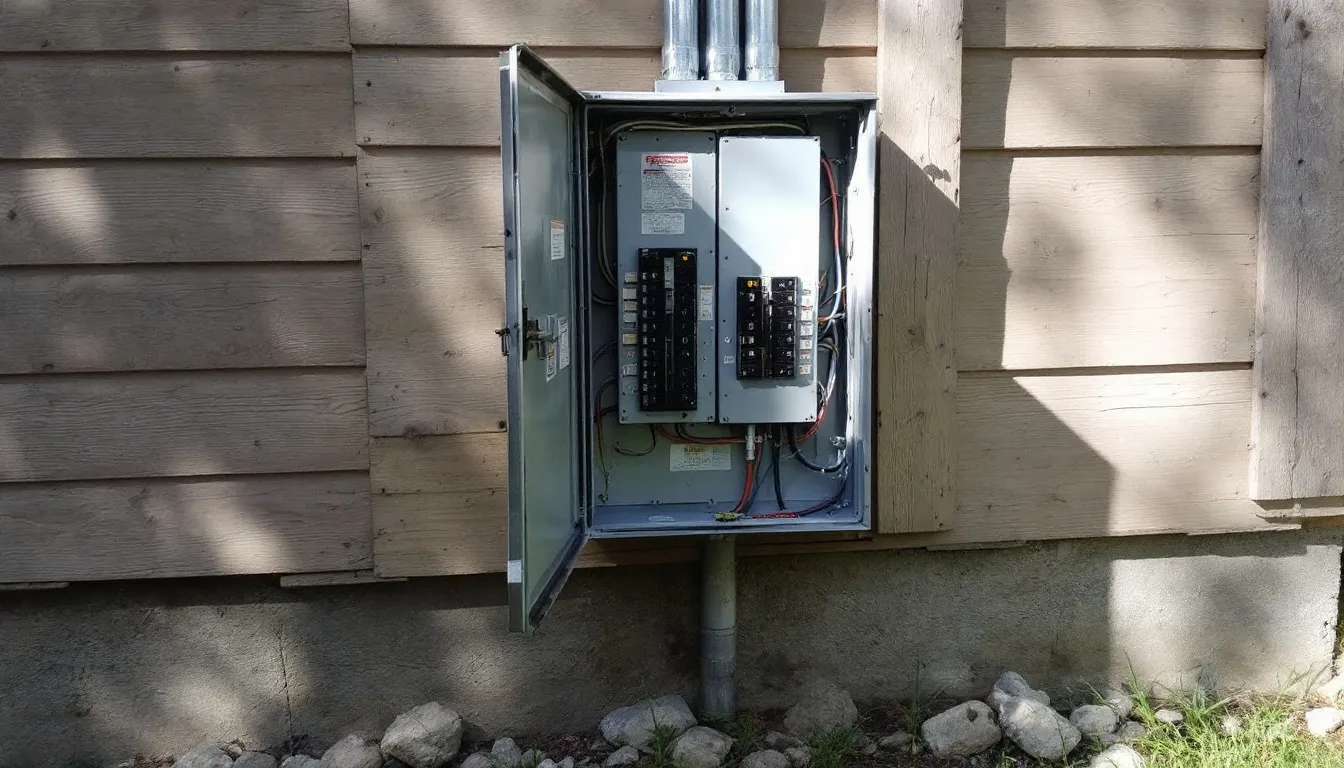
Intermittent journeys after 10 to 20 minutes of operation point to wetness intrusion that expands with heat, or thermal cutouts in drivers. A methodical approach helps. Test specific components by separating them at the junction box or transformer. Infrared thermometers are useful, but your hand is fine. If a transformer enclosure is too hot to touch, ventilation might be inadequate.
Color mismatch throughout numerous RGBW fixtures frequently originates from mixed generations of product or a controller forced to imitate a color path. File design numbers and firmware, then adjust drivers or change the oddball. On DMX systems, verify addressing and termination. Guard and ground control cable televisions properly to avoid flicker from electrical sound near pumps.
Dead quiet systems with great primary power however no secondary output may be hiding a tripped thermal or a failed isolation transformer. Measure with a true RMS meter on both sides. Replace with listed equivalents only. Field‑built improvisations are not acceptable around water.
If you inherit a do it yourself water fountain with unlisted landscape lights submerged in basins, stop and revamp it. Those fixtures were never ever meant for underwater duty, and they are a liability. A budget friendly electrical expert in Orange County can develop a certified conversion that does not spend a lot, however do not rationalize hazardous gear because it "has worked up until now."
Permits, assessments, and regional expectations
Most cities in Orange County need licenses for pool electrical work. That includes new installations and significant remodels. An Orange County electrical contractor will pull the authorization, coordinate with the swimming pool builder and plumbing professional, and satisfy inspectors. Inspectors here pay very close attention to bonding, GFCI security, junction box places, and conduit terminations at niches. They will ask to see listing marks on components and transformers. Anticipate them to validate working clearances around panels and enclosures.
Title 24 energy code mostly targets building lighting, however its spirit reaches outdoor controls. For mixed‑use courtyards and plazas, automated shutoff outside of occupancy hours prevails practice. Even for personal houses, astronomic time clocks or simple schedules keep neighbors delighted, and they extend fixture life.
When to call in aid, and how to pick the best pro
Searches for electrician near me Orange County return a long list, but swimming pool and fountain lighting is a specialized within the trade. Try to find a certified electrical expert in Orange County who can go over NEC 680 without reaching for a phone, who has actually images of completed water features during the night, and who is comfortable collaborating with plaster crews, shotcrete, and tile. Ask how they deal with emergency situation calls. A 24 hr electrician in Orange County is not always essential, but for commercial residential or commercial properties and HOA pools, very same day electrical contractor support reduces downtime.
Price matters, but the cheapest bid normally excludes serviceability and documents. The very best electrical contractor in Orange County for this work will talk through bonding, reveal where junction boxes go, label every conductor, and return after dark to objective. Leading rated electrical expert evaluations inform you about punctuality and cleanliness. A fast discussion about isolation transformers, potting compounds, and fixture guarantees informs you about proficiency. Both matter.
A practical property owner checklist before you start
- Decide how you desire the pool or fountain to feel, not simply how bright it must be. Choose color temperature or RGBW with intention.
- Confirm your electrical panel has space and capacity. If not, prepare a panel replacement in Orange County together with the lighting work.
- Require listed, swimming pool rated fixtures and transformers. No alternatives from landscape catalogs.
- Ask for a labeled, serviceable control setup with GFCI security you can find and reset without tools.
- Schedule a night aiming session. Stand back and judge with your eyes, not a spec sheet.
The peaceful payoff
The most rewarding part of a pool or fountain lighting install is the way it fades into the background of a well‑used area. A family in Tustin texted a picture of their opening night swim season with brand-new LED fixtures and a mellow 3000 K aim. They did not mention watts, code sections, or GFCIs. They composed that the water looked like sleek stone and the actions felt safe for their moms and dads. That is the goal. Strong electrical bones underneath thoughtful lighting, set up by a regional electrician in Orange County who treats the system as both a device and a place where people gather.
If you are planning a brand-new swimming pool, restoring a worn out fountain, or wrestling with persistent undersea lights, involve a pro early. Choose a professional who mixes style sense with extensive electrical practice. With the best plan and workmanship, your water will look the method it must and remain that method for several years, from the first cannonball in June to winter dusk when the surface area checks out like glass.